For people living with diabetes, monitoring blood glucose levels is a vital part of daily life. Advances in diabetes monitoring devices have revolutionised how individuals manage their condition, offering greater accuracy, convenience, and peace of mind.
From traditional finger-prick testing to sophisticated continuous glucose monitoring systems, technology is helping people make more informed decisions about their health and improve long-term outcomes.
The Evolution of Diabetes Monitoring
For many years, blood glucose monitoring relied primarily on finger-prick tests. These devices require users to apply a small drop of blood to a test strip, which is then analysed by a glucose meter. While effective, this method only provides a snapshot of glucose levels at a specific moment in time.
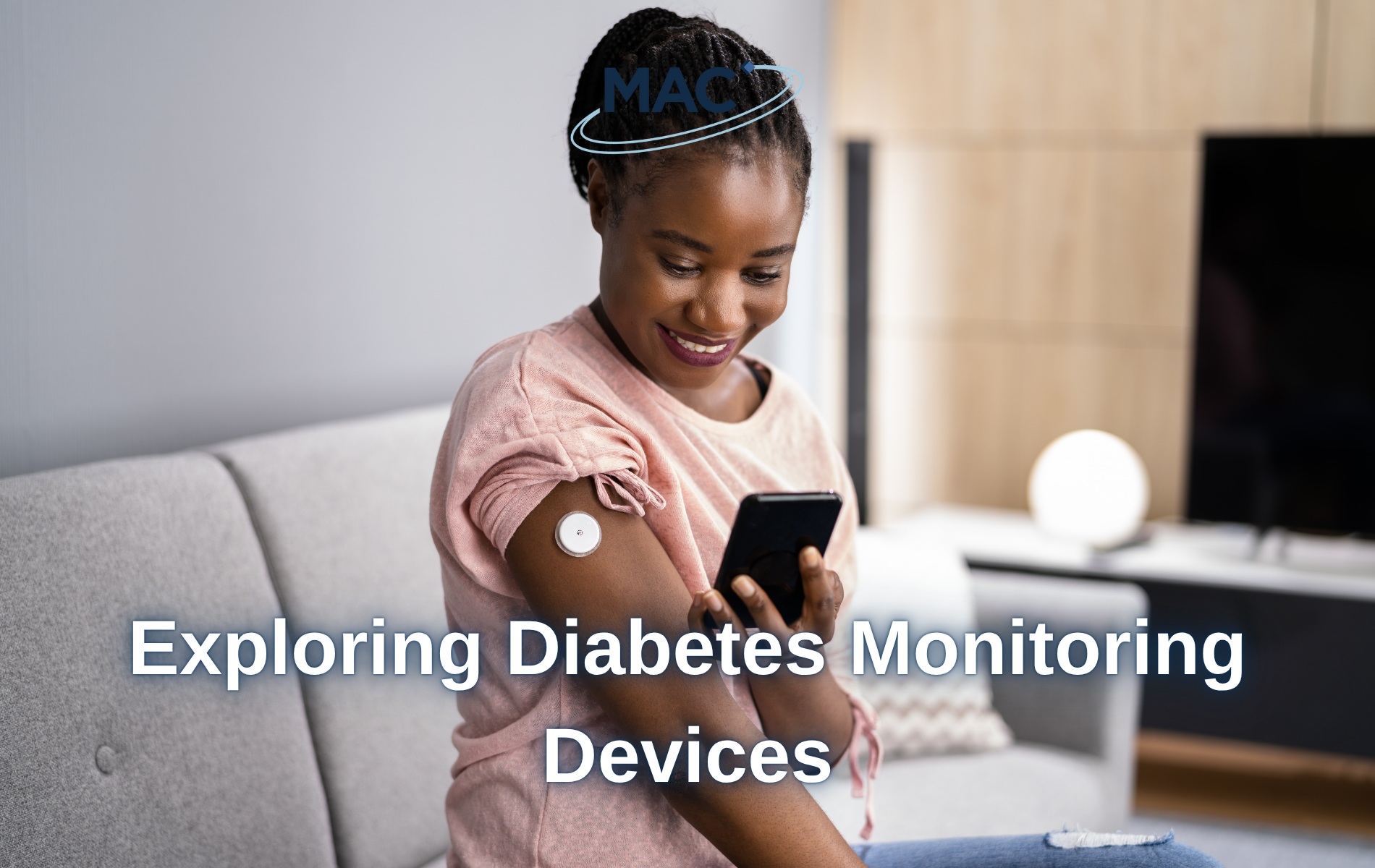
Today, diabetes management has entered a new era with Continuous Glucose Monitoring (CGM) systems. In the UK, over 200,000 people with diabetes use CGMs1. These devices use a small sensor inserted just beneath the skin to measure glucose levels continuously throughout the day and night. Data is transmitted to a smartphone, smartwatch, or dedicated receiver, allowing users to see real-time trends and patterns.
Benefits of Continuous Glucose Monitoring
One of the most significant advantages of CGM technology is its ability to provide ongoing insights into glucose fluctuations. Instead of relying on several individual readings, users can see how their glucose levels change after meals, exercise, medication, or periods of stress. Surveys have shown that around 56% of patients living with type 1 diabetes use a CGM2.
Many CGM devices also include alerts and alarms that notify users when glucose levels become too high or too low. This can be particularly beneficial for the approximately 25% of type 1 diabetes patients who experience hypoglycaemia unawareness3, where low blood sugar symptoms may not be immediately recognised.
By receiving timely warnings, users can act before a situation becomes serious, potentially reducing the risk of complications and emergency interventions.
Improving Quality of Life
Beyond the clinical benefits, diabetes monitoring devices are having a profound impact on quality of life. Real-time data can provide reassurance, helping individuals feel more confident during everyday activities such as driving, exercising, travelling, or sleeping.
Parents of children with diabetes can also benefit from remote monitoring features, allowing them to view glucose data and receive alerts wherever they are. This added layer of support can reduce anxiety and improve confidence in diabetes management.
Looking Ahead
The future of diabetes monitoring continues to look promising. Researchers and manufacturers are developing smaller, more accurate sensors with longer wear times and improved connectivity. Advances in artificial intelligence and digital health are expected to further personalise diabetes care, helping users predict glucose changes and optimise treatment decisions.
As technology continues to evolve, diabetes monitoring devices are becoming more than just tools for measuring glucose. They are empowering individuals to take greater control of their health, reduce the risk of complications, and live fuller, more confident lives. For millions of people around the world, these innovations are transforming diabetes management one reading at a time, but in order to continue to test and improve, clinical trials on the devices are required, and for that, we need volunteers.
If you are living with diabetes and you’re interested in clinical trials exploring new diabetes monitoring devices, register your interest here.
If eligible, you may receive financial reimbursement plus paid reasonable travel expenses and a full health check-up.
1 NHS Professionals – Rapid NHS rollout sees 200,000 diabetes patients get lifechanging devices
2 Decisions Advisors – United Kingdom Continuous Glucose Monitoring Devices Market Insight
3 National Institutes of Health (NIH) – How Hypoglycemia Unawareness Affects People with Diabetes