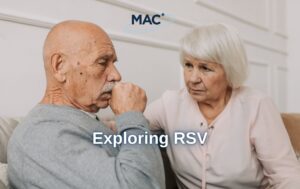
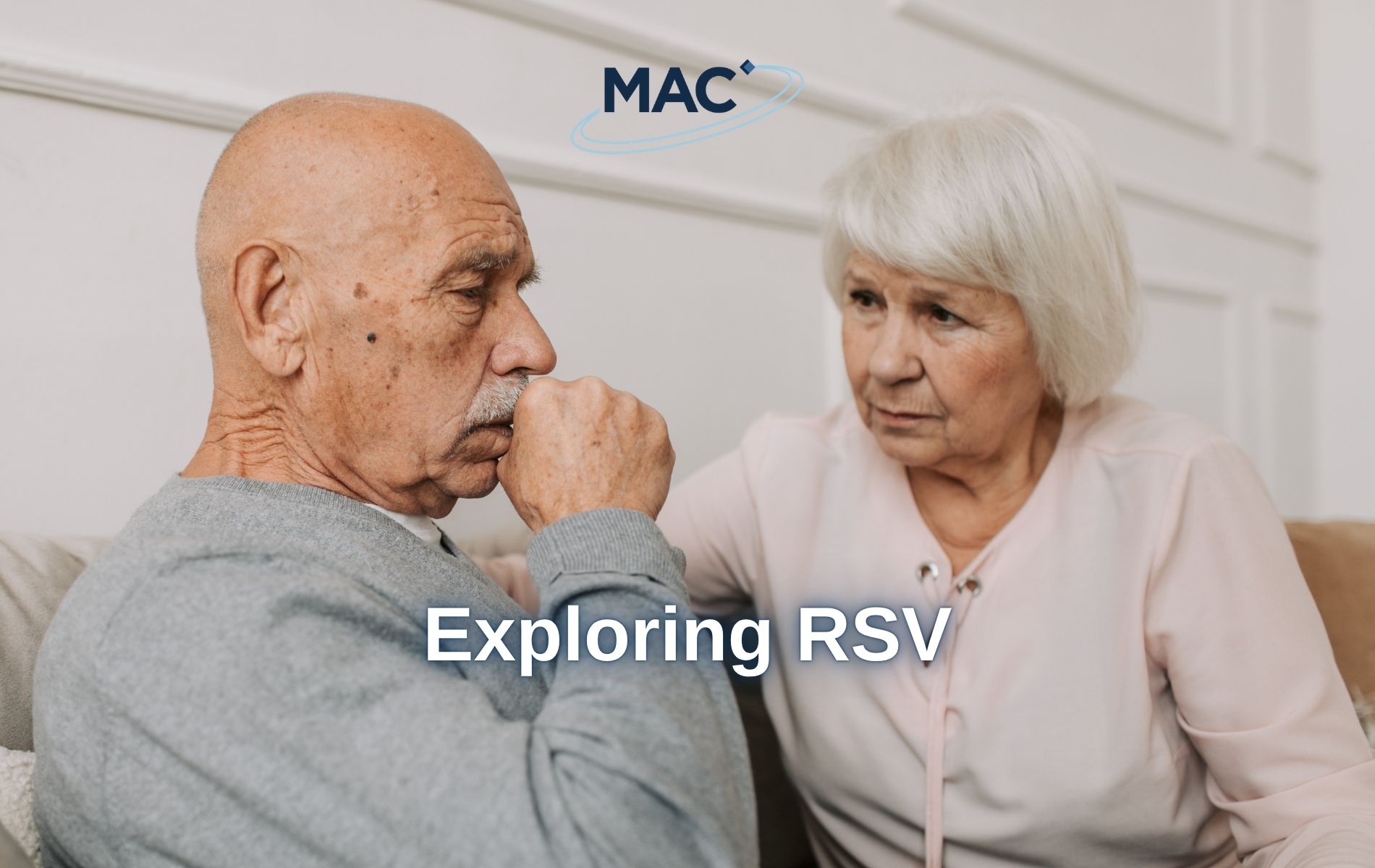
Respiratory syncytial virus (RSV) affects around 3.6 million UK adults annually, resulting in hundreds of thousands of GP visits and tens of thousands of hospital admissions1. While the majority experience only cold-like symptoms, for those with compromised or weakened immune systems, RSV can have serious consequences.
What is RSV?
RSV is a common respiratory virus that usually causes mild cold-like symptoms. It infects the throat, nose, respiratory tract, and lungs. Symptoms are often non-specific, and so it is difficult to distinguish RSV from other viruses like the common cold or flu. Most people only experience mild symptoms like:
- A cough
- A runny nose and sneezing
- Fatigue
- A high temperature.
RSV spreads through droplets or aerosols expelled into the air or onto surfaces when someone with the virus sneezes or coughs. There are ways to limit the risk of getting or spreading the infection, which include:
- Regularly wiping down and washing surfaces
- Not touching your eyes, nose, or mouth when your hands are not clean
- Using disposable tissues and putting them in the bin immediately after use
- Avoiding those particularly at risk, such as newborns and the elderly.
What makes RSV dangerous?
Babies, and adults who have certain risk factors—such as older age or pregnancy, are more likely to develop a more serious illness and require hospitalisation because of RSV infection. These illnesses include bronchiolitis—inflammation of the small airways in the lungs—and pneumonia—infection of the lungs.
RSV is the most common cause of bronchiolitis and pneumonia in babies under one2. Before a vaccine was introduced in the UK, RSV caused around 30,000 hospitalisations of children under five each year, and around 9,000 hospitalisations of adults over 753.
If RSV leads to a more serious infection, it can also cause symptoms like:
- A worsening cough
- Shortness of breath
- Faster breathing or long gaps between breaths
- Wheezing
Older adults may also experience confusion, and babies may have difficulty feeding or a loss of appetite.
Why is vaccine development important?
Vaccine development and implementation can help to protect the population from potentially dangerous illnesses and shield those with weakened immune systems, such as babies and the elderly. They are an important preventative measure in stopping the spread of RSV and can be highly effective.
Following the introduction of a vaccination programme, England experienced a 50% reduction in intensive care admissions for infants under six months with RSV. There was also a reduction in RSV-related hospitalisations for eligible adults between 75 and 80 years old3.
Help develop new RSV treatments
MAC Clinical Research is currently recruiting volunteers aged 60 and over, who are generally healthy, for several upcoming clinical trials investigating treatments for a range of medical conditions, including a potential new RSV vaccine at our Greater Manchester clinic.
By volunteering, you can make a meaningful contribution to medical research and help shape the next generation of vaccine therapies.
To find out more and register your interest, please visit our vaccine study webpage.
References
1 RAND – The Burden of Respiratory Syncytial Virus in Adults in the UK
2 CDC – About RSV | RSV
3 UK Health Security Agency – What is RSV and who is eligible for the vaccine?