
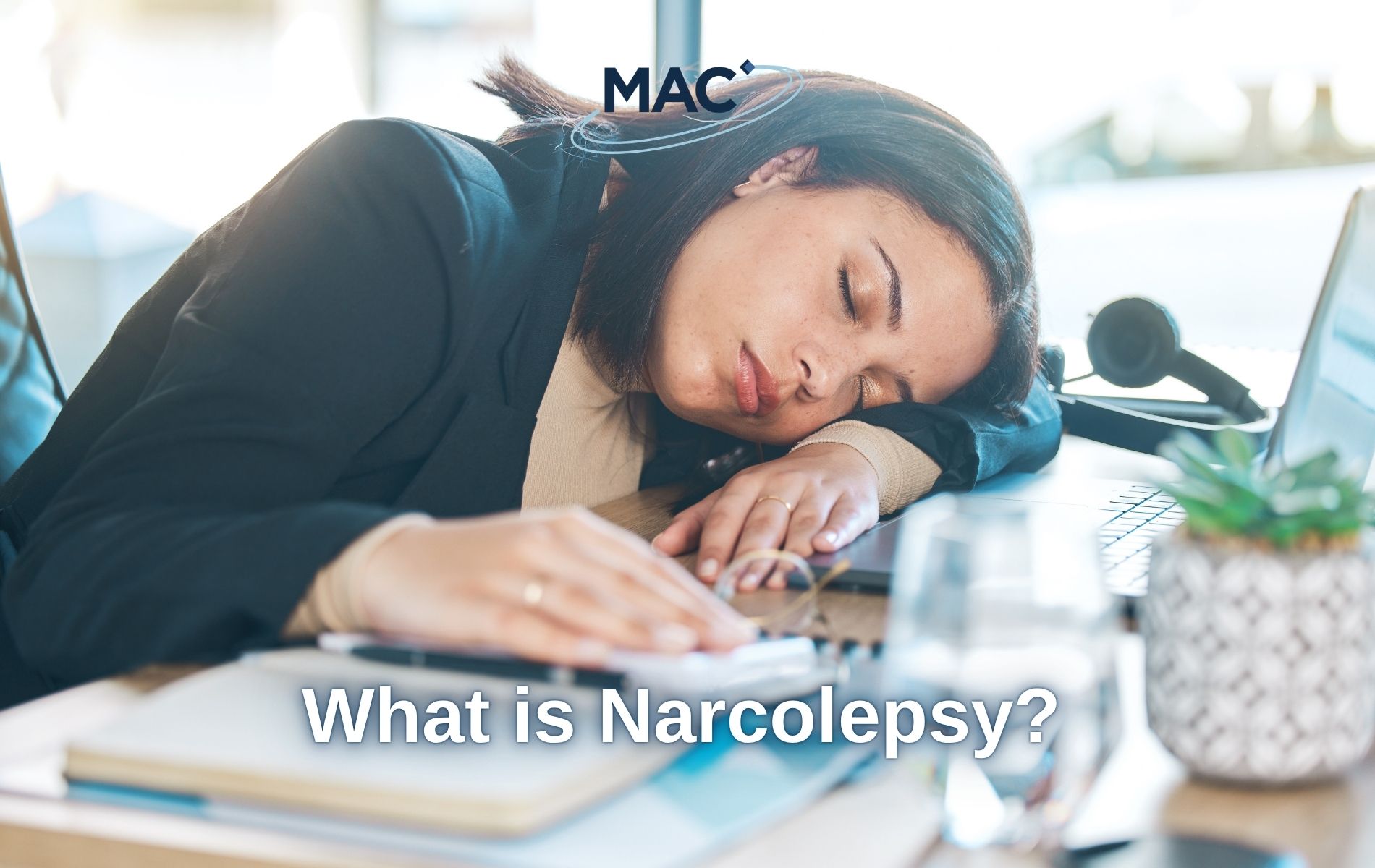
Narcolepsy is a long-term neurological sleep disorder that affects the brain’s ability to regulate sleep and wakefulness. People with narcolepsy often experience excessive daytime sleepiness, making it difficult to stay awake and alert during normal daily activities. Although it is a relatively rare condition, affecting approximately 30,000 people in the UK1, narcolepsy can have a significant impact on work, education, relationships, and overall quality of life.
Many people mistakenly believe narcolepsy simply means suddenly falling asleep without warning. While unexpected sleep episodes can occur, the condition is far more complex. It involves disruptions to the normal sleep cycle and can cause a range of symptoms that affect both physical and mental wellbeing.
Common Symptoms of Narcolepsy
The most common symptom of narcolepsy is excessive daytime sleepiness. Individuals may feel overwhelmingly tired throughout the day, even after getting what appears to be a full night’s sleep. This fatigue can lead to unintended naps, difficulty concentrating, memory problems, and reduced productivity.
Another well-known symptom is cataplexy, which involves a sudden loss of muscle control triggered by strong emotions such as laughter, excitement, surprise, or anger. Cataplexy can range from mild weakness in facial muscles to a complete collapse while remaining fully conscious. This symptom impacts around 70% of patients with the narcolepsy.
People with narcolepsy may also experience:
- Sleep paralysis: A temporary inability to move or speak when falling asleep or waking up, impacting up to half of people living with narcolepsy3.
- Hallucinations: Vivid dream-like experiences that occur while falling asleep (hypnogogic hallucinations) or waking (hypnopompic hallucinations). Studies have shown that around half of narcolepsy patients experience hallucinations4.
- Disrupted nighttime sleep: Up to 86% of people living with narcolepsy experience frequent awakenings during the night despite feeling sleepy during the day5.
Not everyone with narcolepsy experiences all these symptoms, and their severity can vary widely from person to person.
What Causes Narcolepsy?
The exact cause of narcolepsy is not always known, but researchers believe it is linked to problems with the brain’s regulation of sleep. In many cases, people with narcolepsy have low levels of a chemical called hypocretin (also known as orexin), which helps maintain wakefulness and regulate rapid eye movement (REM) sleep.
Genetics may play a role, although narcolepsy is not typically inherited directly. Some experts also believe that autoimmune processes, where the body’s immune system mistakenly attacks healthy cells, may contribute to the loss of hypocretin-producing neurons in the brain.
How Is Narcolepsy Diagnosed?
Diagnosing narcolepsy can be challenging because its symptoms often resemble those of other sleep disorders or medical conditions. In fact, up to 50% of cases may be undiagnosed6. A healthcare professional will usually begin by reviewing a patient’s medical history and sleep patterns.
Specialist sleep tests may be required, including an overnight sleep study and a Multiple Sleep Latency Test (MSLT), which measures how quickly a person falls asleep during the day. These assessments help identify abnormal sleep patterns associated with narcolepsy.
Living With Narcolepsy
While there is currently no cure for narcolepsy, effective treatments can help manage symptoms. Treatment plans may include medication to improve wakefulness, reduce cataplexy, and support better sleep quality. Lifestyle changes can also make a significant difference, such as maintaining a regular sleep schedule, taking planned daytime naps, exercising regularly, and avoiding alcohol before bedtime.
With proper diagnosis, treatment, and support, many people with narcolepsy can lead active and fulfilling lives. However, around 72% of patients taking medication for their narcolepsy experience side effects from current treatments7. To address this, more research is needed into improving treatments for narcolepsy.
If you are living with narcolepsy and you are interested in research into new potential narcolepsy treatments, please visit MAC Clinical Research’s narcolepsy research webpage.
If eligible for a clinical trial at MAC, you will receive a full health check-up, paid travel expenses, and may receive financial reimbursement for your time and commitment.
1 Narcolepsy UK – About Narcolepsy
2 Patient – Narcolepsy and cataplexy
3 International Journal of Applied and Basic Medical Research – Sleep Paralysis, a Medical Condition with a Diverse Cultural Interpretation
4 Narcolepsy Sleep Disorders – Narcolepsy Symptoms: Sleep Paralysis and Hallucinations
5 Journal of Clinical Sleep Medicine – Disrupted Nighttime Sleep in Narcolepsy
6 Narcolepsy Network – Narcolepsy Fast Facts
7 Sleep Medicine – Barriers to therapy adherence in narcolepsy