
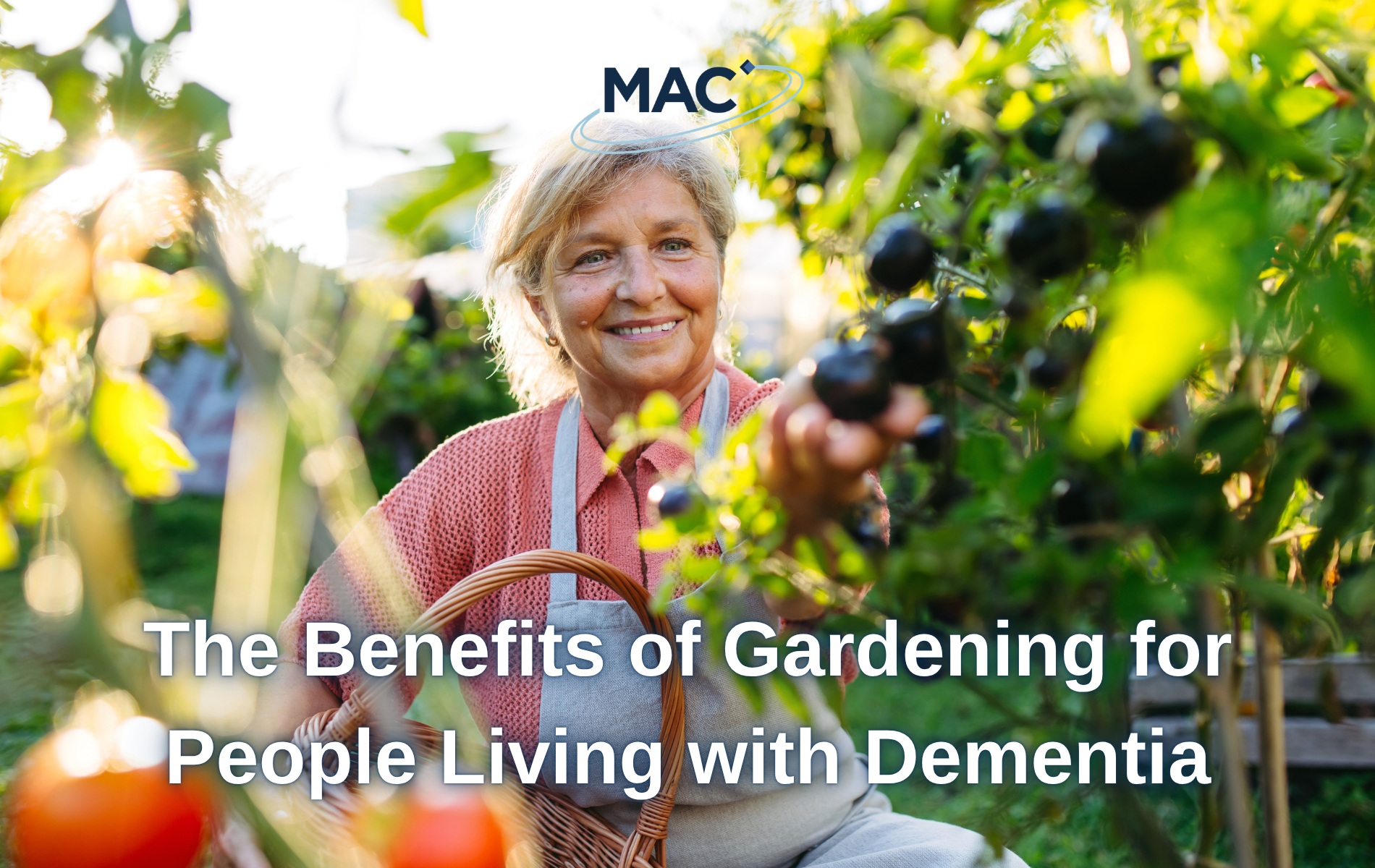
As we celebrate National Gardening Week, it’s a meaningful opportunity to reflect on the connection between nature and wellbeing, particularly for people living with dementia.
With almost 1 million people in the UK currently affected, and numbers projected to reach 1.4 million by 20402, finding accessible, supportive activities has never been more important.
Gardening is increasingly recognised as one of these valuable activities, offering a wide range of physical, cognitive and emotional benefits.
Growing Positive Moods
One of the most immediate advantages of gardening for people living with dementia is sensory stimulation. The textures, colours and scents found in a garden can help individuals feel grounded in the present moment.
Research shows that engaging in gardening and visiting green spaces can positively affect mood, stress levels, agitation and overall behaviour, making it a powerful non-drug intervention. These sensory experiences can also trigger long-term memories, helping individuals reconnect with familiar feelings and experiences even as memory declines2.
Gardening also has a measurable impact on cognitive engagement. A meta-analysis of horticultural therapy studies found that participation can increase activity engagement by over 45%, while significantly reducing agitation levels in people with dementia. This is particularly important, as individuals with dementia often find it difficult to engage with more traditional or structured activities3.
Cultivating Physical Health
Gardening can also support physical health through gentle, purposeful activity. Tasks such as watering plants, planting seeds or tending raised beds encourage movement, coordination and balance. These activities can be easily adapted depending on ability, enabling people to remain active in a safe and enjoyable way.
The Emotional Benefits of Gardening
Gardening also provides a valuable sense of purpose and achievement. Whether its watching plants grow, harvesting vegetables or even simply caring for a small pot plant, these activities offer visible, meaningful outcomes. Studies have shown that therapeutic gardening can improve cognitive abilities, communication and overall wellbeing, reinforcing a sense of identity and independence4.
Another key benefit is the opportunity for social connection. Gardening can be a shared activity, bringing together families, carers and communities. Whether working side by side in a care home garden or participating in a local gardening group, it creates opportunities for meaningful interaction. Even when verbal communication becomes more challenging, shared activities can help maintain a sense of belonging and connection.
An Accessible Environment
To maximise these benefits, it’s important to ensure that gardening spaces are accessible. Features such as raised beds, clear pathways, seating areas and easy-to-use tools can make a significant difference. Choosing familiar plants, such as herbs, vegetables or traditional flowers, can also enhance engagement and enjoyment.
Improving treatments for Alzheimer’s
While gardening can bring many benefits to people with dementia, there remains a shortage of effective medications, and these can only be developed through clinical trials.
Without clinical trial volunteers, there would only be limited advances in medical treatments, and no medications would be approved for use. With your participation, you may be able to contribute to scientific research which may lead to expansion of the treatment options for people with Alzheimer’s disease.
MAC Clinical Research is conducting a new study for a potential Alzheimer’s treatment (not vaccine based). If eligible, you and your caregiver/study partner will each receive up to £1595 for your time and commitment, plus travel expenses or transport for clinic visits.
Find out more and register your or a loved one’s interest via our Alzheimer’s research webpage.
1 Alzheimer’s Research UK – Dementia Statistics
2 Thrive – Dementia
3 American Journal of Alzheimer’s Disease and Other Dementias – Horticultural Therapy in Patients With Dementia: A Systematic Review and Meta-Analysis
4 Growing Health – Gardening and growing for people with dementia