

As global life expectancy continues to increase, the number of dementia cases and other neurodegenerative conditions is on the rise. These conditions have a profound impact on people, their families, and healthcare systems. Preserving brain health as we age is key to maintaining quality of life, and diet plays an important role.
Our nutrition is crucial to maintaining healthy brain function and overall mental and physical health. The food we eat impacts brain structure, communication between brain cells (synaptic activity), and the health of brain cells (neurons)1.
Some essential nutrients for brain health include:
- Omega-3 fatty acids, found in fatty fish, like salmon or sardines, or plant sources such as walnuts and flaxseeds, are vital to the structure and elasticity of brain cells involved in learning and memory1.
- Vitamins B6, B12, and folates, found in leafy greens and animal products, low levels of which may impact brain function and increase the risk of dementia risk1.
- Choline, found in nuts, eggs and legumes, is necessary to produce acetylcholine, a brain communication substance that boosts memory formation, brain performance, and mood regulation1.
- Antioxidants like vitamins C and E, found in berries and seeds, reduce oxidative stress, which can lead to cell damage, an important factor in brain cell damage1.
Some diets rich in these nutrients are associated with a protective effect against cognitive decline.
Mediterranean diet
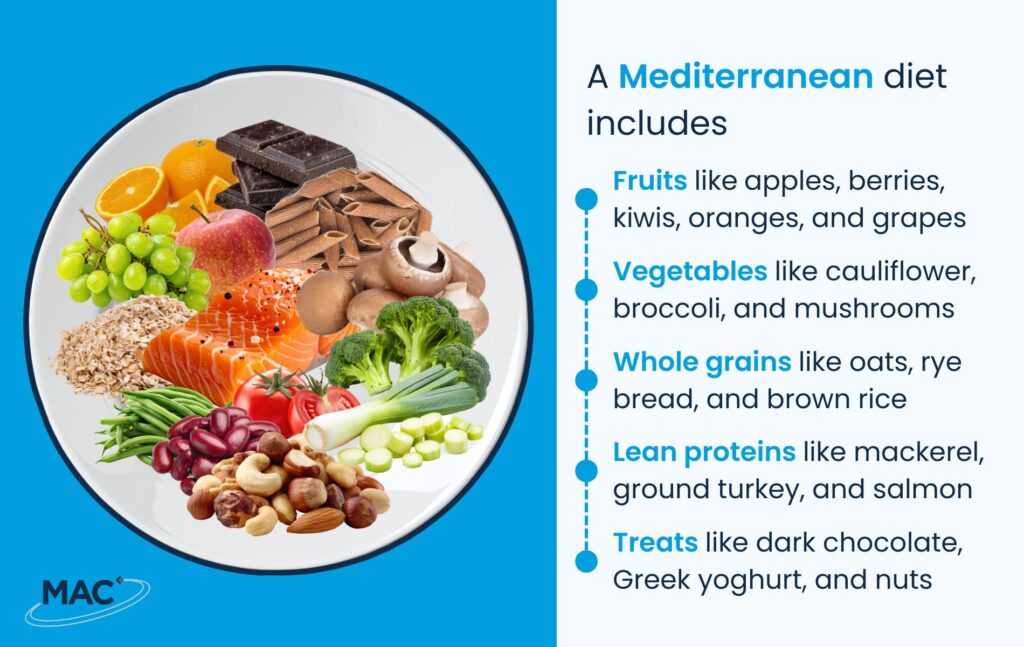
The Mediterranean diet is a heart-healthy diet based on foods commonly eaten in countries bordering the Mediterranean Sea. It focuses on incorporating plenty of plant-based foods, healthy fats like olive oil, and lean proteins2.
Recent research shows that sticking to a Mediterranean diet is linked with an up to 30% reduction in the risk of developing age-related disorders like memory problems and Alzheimer’s disease3. However, these results may be influenced by lifestyle, physical health, and other factors.
Anti-inflammatory diet
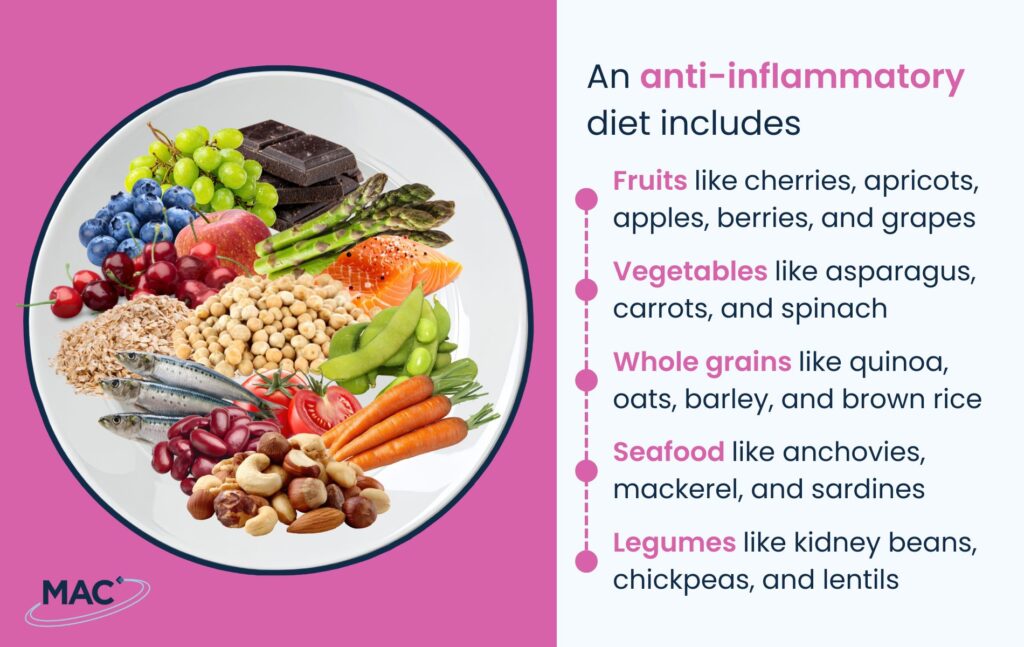
An anti-inflammatory diet is made up of whole, nutrient-dense foods and aims to reduce inflammation in the body. It focuses on antioxidant-rich foods, lean proteins, and healthy fats, while reducing sugary drinks, processed meats, and refined carbohydrates4.
Research has suggested that an anti-inflammatory diet may lower the chance of developing memory problems in older adults. This was also true of a protein-rich diet5. Though nutrition is important to brain health, there is not a direct relationship between any particular diet and dementia prevention.
It is important to remember that eating a balanced diet rich in fruits and vegetables has numerous benefits. A healthy diet is essential to maintaining overall wellness as we age and can help to reduce the risk of other conditions which may influence cognitive decline, such as diabetes and high blood pressure6.
Help us find new treatments for Alzheimer’s
MAC Clinical Research is conducting a new study for a potential Alzheimer’s treatment, but we need your help.
If you’re aged 50 to 85, with a diagnosis of Alzheimer’s and want to take part in a research trial, visit our Alzheimer’s study webpage to find out more.
You must have a study partner/caregiver who can attend all clinic visits and has daily contact (including by phone or video call) with you. If eligible, you and your study partner will each receive up to £1,595.
References
1 Danone Research – How diet can support brain health and function
2 Harvard Health – A practical guide to the Mediterranean diet
3 Fekete et al. (2025) – The role of the Mediterranean diet in reducing the risk of cognitive impairment, dementia, and Alzheimer’s disease: a meta-analysis
4 British Heart Foundation – Anti-inflammatory diet: what you need to know
5 Wang et al. (2024) – Anti-Inflammatory Diet and Protein-Enriched Diet Can Reduce the Risk of Cognitive Impairment among Older Adults: A Nationwide Cross-Sectional Research
6 Alzheimer’s Society – Risk factors for dementia