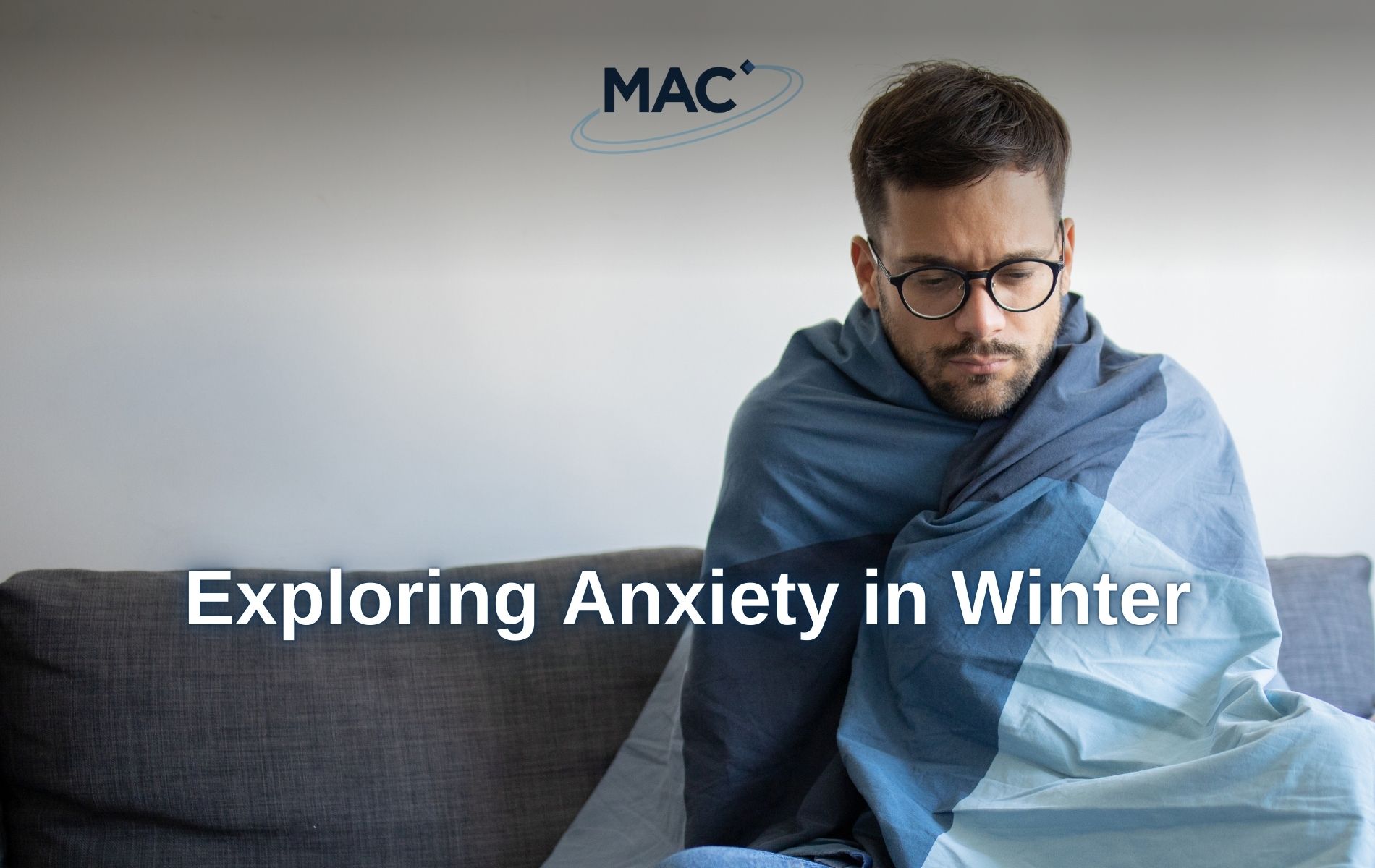
The winter months are often associated with celebration and togetherness, but for some, they are a time of increased loneliness and anxiety. Around 45% of adults report feeling lonely in winter1 and nearly 60% say that their overall mood is worse2. Shorter days, limited sunlight, and increased pressure both financially and socially can affect mental and physical health.
Why does anxiety get worse in winter?
For some individuals, winter increases feelings of fatigue, lowers motivation, and can lead to low mood and loss of self-esteem3. This is known as the ‘winter blues’, or seasonal affective disorder (SAD) if symptoms are more acute. Nearly 30% of people in the UK experience symptoms of SAD at this time of year2, and for those with preexisting mental health conditions such as anxiety, the impact can be significant.
Generalised anxiety disorder (GAD) is a mental health condition where you feel intense levels of stress or worry about many things, inhibiting your ability to go about daily life. Other common symptoms of GAD can include sleep disturbance, restlessness, stomach problems, feeling tense, and heart palpitations4.
The overlap in symptoms of seasonal affective disorder and GAD can often create a perfect storm where heightened fatigue, increased restlessness, and lowered mood worsen feelings of anxiety. Some potential contributors to these symptoms include:
- Decreased Sunlight: Shorter and cloudier days lead to a dip in vitamin D (naturally sourced from sunlight), which is used to produce serotonin, a neurotransmitter which affects mood, and melatonin, a hormone which regulates sleep. This can disrupt sleep cycles and worsen mood3.
- Financial Strain: With gift-giving a part of many winter holiday traditions, many feel pressure to spend beyond their means. Festive social obligations and increased winter bills can add additional stress and increase financial anxiety.
- Decreased Exercise: Winter weather and changes in routine lead to many spending more time indoors and less time exercising. Exercise can mitigate stress, low mood, and anxiety, and a decline in physical activity can result in reduced mental wellbeing3.
Combatting anxiety in winter
Here at MAC, we’ve pulled together some tips for managing anxiety in the winter months:
- Take advantage of natural light: One of the best ways to counteract seasonal mood changes is to find sunlight and bright light where possible. Try getting outside in natural light, opening blinds or curtains in your home, and using lamps and mirrors to increase brightness. While sunlight provides the most benefit, bright light in the home can also help regulate the sleep cycle3. Indoor lighting, light therapy boxes that mimic sunlight, and sunrise alarm clocks are useful tools to improve light exposure.
- Maintain good sleep hygiene: A consistent sleep schedule and quality sleep are important for mental wellbeing. Try to wake up and go to sleep at the same time each day, avoid screens at least an hour before sleep, limit caffeine intake, and limit light and noise in your sleeping space.
- Reach out to others: The financial pressure of the holiday season and cold temperatures can make it easier to become isolated at this time of year. However, this can lead to increased loneliness and anxiety. Try cheaper or free alternatives, such as going for a walk, visiting friends for coffee or stay connected virtually if getting out in person is more challenging.
- Prepare ahead of time: Some may find the increased pressure to socialise challenging and may experience increased stress and anxiety. If you find yourself feeling tense in certain situations, put in place some coping strategies such as breathing exercises, plan to take breaks throughout the event, and prepare self-care activities before and after.
Clinical Research for Anxiety Treatments
Anxiety affects millions, yet fewer than half fully recover with current treatments (only 49.9% according to NHS Talking Therapies). We urgently need new options to help more people find lasting relief and that’s what MAC Clinical Research are working towards. We are currently looking for people living with anxiety to participate in a clinical trial, researching a potential new treatment If eligible, you will receive up to £1,500 for your time and commitment; additionally, reasonable travel expenses will be paid for visits to the MAC clinics.
To register your interest in this important research, visit our anxiety research webpage.
References
1 Action Mental Health – Winter Wellness: Why the darker months affect your mood and what you can do to protect your mental health this winter
2 The Independent – Seasonal Affective Disorder: 1 in 3 people suffer from SAD
3 Anxiety UK – Seasonal Affective Disorder (SAD)
4 NHS UK – Generalised anxiety disorder (GAD)