
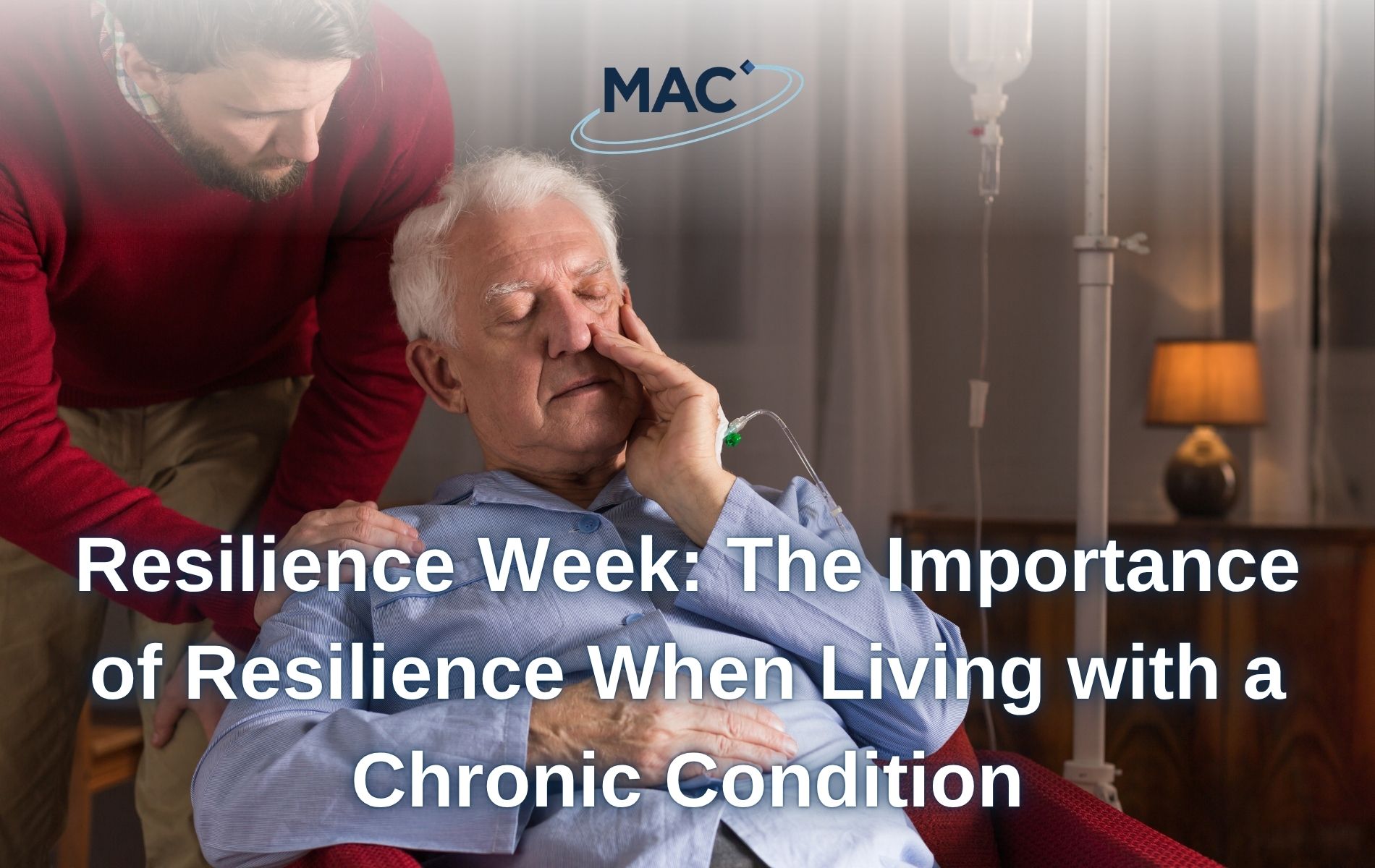
In 2024 the leading cause of death in the UK was dementia1. Alzheimer’s, the most common type of dementia, is a progressive, neurodegenerative disease with no cure, often leading to full-time care. Earlier this month was Resilience Week, so we’re highlighting the importance of resilience for improving quality of life and coping with the challenges caused by chronic conditions.
What is a chronic condition?
Chronic conditions are long-term conditions caused by genetic, physiological, environmental, and behavioural factors that can result in disability and a need for prolonged or full-time care2.
The most common examples of chronic conditions are cardiovascular diseases (e.g., strokes; angina), chronic respiratory diseases (e.g., COPD; asthma), diabetes, and cancer. The main risk factors contributing to the development of these conditions are:
- smoking
- lack of exercise
- excessive alcohol consumption
- an unhealthy diet
- air pollution
Alzheimer’s is also classified as a chronic condition as it progresses gradually and can persist over a long period.
Living with chronic conditions can make daily life and routines difficult. Constantly adjusting to physical limitations imposed by health conditions, fulfilling the demands of treatment requirements and coping with the emotional turmoil of living with these conditions can worsen quality of life3.
The importance of resilience
While symptoms can often be managed with appropriate treatments and lifestyle adjustments, the long-term nature of chronic conditions can take their toll physically and mentally. Resilience can have a significant impact on a person’s ability to deal with, adapt to, and manage their long-term illness.
Resilience is associated with a decrease in the rates of depression and anxiety4. It can help encourage self-management strategies aimed at enhancing a person’s quality of life and coping with the challenges associated with chronic conditions.
Resilience-building interventions
A study published in Discover Public Health found three methods of resilience-building interventions:
- Psychological and Behavioural Interventions: This includes cognitive behavioural therapy, ways to strengthen coping mechanisms, and emotional regulation in chronic disease management.
- Social and Community Support Interventions: This involves social connectedness, peer support groups and family counselling.
- Technological and Integrated Care Approaches: This explores how technology facilitates continuous self-management, monitoring and motivational support.
The study also found a direct relationship between resilient participants with chronic conditions and low levels of depression, anxiety, and overall stress. People with more resilience are more likely to practise self-care and stick with their treatment, thereby improving their quality of life2.
The support of family, friends, and community networks, especially for those living with Alzheimer’s, strengthens individuals in times of need. It can reduce their loneliness and isolation and keep their cognitive function active through group activities and socialising.
Improving treatments for Alzheimer’s
While staying resilient can bring many benefits to people with Alzheimer’s, there remains a shortage of effective medications, and these can only be developed through clinical trials.
Without clinical trial volunteers, there would only be limited advances in medical treatments, and no medications would be approved for use.
MAC Clinical Research is conducting a new study for a potential Alzheimer’s treatment. If you, or someone you know, is eligible to participate, both the person living with dementia and their caregiver/study partner will each receive up to £1595 for their time and commitment, plus reasonable travel expenses or transport for clinic visits.
With your participation, you may be able to contribute to scientific research which may lead to expansion of the treatment options for people with Alzheimer’s disease.
Find out more and register your or a loved one’s interest via our Alzheimer’s research page.
- Alzheimer’s Research UK – Dementia Statistics Hub
- Springer Nature – Resilience in management of chronic diseases: a review of the strategies, approaches, and interventions
- International Journal on Science and Technology – The Role of Resilience in Coping with Chronic Illness: Lessons from Positive Psychology
- Cogent Psychology – Resilience in chronic diseases: A systematic review